

Hey,
Below are 5 real strategies nurses are using—and real stories of how they made it work.
A common situation
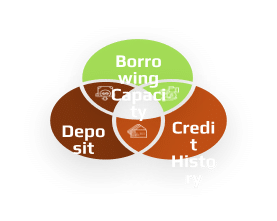
During our New Business and planning calls we often see that a person has good borrowing capacity, but few savings.
Given cost of living, rent, and savings challenges, this is not surprising.
But what if I told you right now, we help nurses buy their first homes… without a traditional deposit at all?
Below are 5 real strategies nurses are using—and real stories of how they made it work.
🔑 1. Family Guarantee – When someone else’s equity helps unlock your own
If a parent (or close family member) owns their home, they can act as a guarantor.
The guarantor uses their home equity to secure your loan, allowing you to borrow up to 100% of the property value.
This can also cover additional costs like stamp duty and legal fees.
Case study:
A nurse had recently returned to work after an extended maternity leave, due to additional care requirements.
As a result, they had depleted most of their savings but now she is working 0,8 and her husband full-time. Their borrowing capacity was strong, but they had few savings and looking to buy for up to $1million for their family home.
Her parents were able to put up their home as security and they bought for $925,000.
Their guarantee even covered the stamp duty, so their own deposit contribution was minimal.
🎁 2. Gifted Deposits – When parents help with cash, not property
Some parents can’t (or don’t want to) put up their home—but they can offer a financial gift.
This is a lump sum that’s not repaid and can cover your deposit or stamp duty.
We like to use this one as id doesn’t tie up the parent’s property and is more flexible e.g. if there are multiple siblings they want to help.
Case study:
A recent case was a nurse renting for years in a high-growth area her savings are being chewed up in rent. She had “genuine savings” through her rental track record but required additional cash to make up the shortfall plus a small amount of stamp duty.
Even under the First home Guarantee Scheme she required a 5% deposit.
We used that and her parents gifted her $30,000 and she was able to buy her home for $620,000 in Victoria.
🏛️ 3. Government Shared Equity Schemes – Use with care
These can work—but they come with many strings.
You’re giving the government a slice of your future home value.
Please read all the small print about your obligations.
If you still think it’s a good idea, ask someone to also read the small print about your obligations.
💸 4. Deposit Funders – a fast-innovating solution?
Over the last few months, there have been specialist lenders entering the market that are willing to fund your deposit with minimal money from you.
Like any of these options, it is not for everyone, but it is a fast-evolving area, and we have used them a few times.
Case study:
We received a call from a nurse in a stressful situation.
She was preapproved by her bank, but when bought, she went slightly over her limit, and they weren’t honouring the pre-approval.
She had purchased over the First home guarantee scheme threshold but only had the 5% deposit.
We were able to secure her funding for the opt up required for her deposit and have her unconditionally approved within a week.
🏠 5. Equity from Another Property – Leverage what you already own
If you are a first-home buyer, feel free to skip this section
Keep this note though – this should come in useful in future!
If you already own a property, you can use the equity you’ve built up as a deposit for your new home.
This involves leveraging the difference between your property’s value and your outstanding mortgage balance.
I confess to being surprised that this is not widely recognised by property investors for its leveraging power.
You can also really ease your cashflow requirements by making at least the investment property, and interest-only repayment.
To make the most of it and avoid the clutches of our friendly ATO, it is important that it is set up properly.
Case study:
A travel nurse bought her first home in Cairns in February last year.
By September, we were able to unlock $65K in equity, which became the deposit on her second property in regional NSW.
From a first home buyer toa property owner and then investor in less than 12 months.
Nice work!
🐻 The Three Bears – What You Need to Know Before Choosing a No-Deposit Path
Before you go all in on one of the five strategies above, there are three key things every nurse should know:
1. 🧮 You need extra borrowing capacity
Apart from gifted money, these strategies don’t eliminate the need for a strong loan application.
You still need to show the bank that you can afford the loan—even if you’re not putting down a deposit.
💡 You need income and clean finances more than savings.
2. ⚖️ More borrowing = more risk (but maybe less than renting)
Yes, bigger loans mean more debt—which can sound scary.
But in a rising market, renting longer might be riskier.
🏡 Paying off your own home—even with more debt—can beat paying someone else’s mortgage.
3. 🧭 Have a solid exit plan from day one
These solutions are best seen as short-term bridges, not permanent setups.
Whether it’s releasing a guarantor, refinancing a deposit loan, or restructuring equity—we help you map a clear plan to normalise your finances in the first few years.
🧭 Which One Fits You?
These aren’t theories—they’re real strategies we’ve used in the last 12 months.
Each one needs thoughtful planning, but the result is the same:
You in your own home—faster than you thought possible.